
Chronic pain is a complex, disabling illness affecting millions of individuals, often persisting many years following an initial trauma and resistant to conventional pain control strategies. Chronic pain has the potential to be disabling for quality of life by reducing mobility, disturbing sleep, and inducing depression. In attempts at utilising effective, non-drug pain relief, more are considering holistic approaches that address the cause of pain rather than merely masking symptoms. Subtle point therapy, utilising the techniques of acupressure and its more specialised cousin, shows promise.
This is a very old tradition that is based on the application of stimulating specific points on the body to relax tension, boost circulation, and stimulate the body’s own healing response. For professional guidance in the field for those who desire it, a consultation with a practitioner such as those at Acupuncture Dover, can provide a structured and professional means of utilising these methods for effective and lasting relief.
Table of Contents
The Gate Control Theory of Pain
This theory explains how gentle point pressure stops pain signals. The nervous system of the body has a “gate” in the spinal cord that regulates pain signals to the brain. By applying pressure to some points, you engage the larger, faster nerve fibres for pressure and touch. Stimulation of these nerve fibres actually “closes the gate,” inhibiting or shutting out the slower pain signals from entering the brain. It’s a natural physiological way of breaking the pain pathway, providing relief by flooding the system with non-painful sensory input that can reduce the body’s registration of the underlying chronic pain.
Reducing Muscle Spasm and Improving Circulation
Guarding muscle, an attempt at protection against chronic pain, is a response of nearby muscles to contract and become a secondary source of pain. The tension can restrict blood flow, leading to the accumulation of inflammatory chemicals and reduced oxygen in the tissues. Light, continuous pressure on key locations releases this embedded muscular tension. As the muscles relax, blood flow increases, bringing in fresh oxygen and nutrients and eliminating aching metabolic waste. The procedure interrupts the pain-tension-pain cycle, dealing with an all too common physical component of ongoing discomfort.
Acupressure’s Impact on the Large Intestine 4 (LI4) Point
One of the most effective treatments for pain is the Hegu or LI4 point. It sits in the meaty web between the index finger and thumb. To relieve neck strain, dental pain, and headaches, best pressed hard and continuously with the thumb of the opposite hand for one to two minutes. It is thought to control blood and Qi in the body, especially the head and face. Note: The point should not be stimulated throughout pregnancy since it is traditionally said to cause labour.
Applying the Liver 3 (LV3) Point for Balanced Harmony
The LV3 point Taichong is a master point to calm pain brought on by stress and emotional imbalance, which is probably going to worsen chronic diseases. Located on top of the foot in the valley between the big toe and second toe, it calms the Liver channel in accordance with traditional beliefs. By slowing the nervous system and calming upper back tension, spasmodic menstruation, and migraine headaches, the application of this point will relieve headache symptoms. Smoothing the flow of energy in the body. It is especially helpful for pain aggravated by tension or irritation.
Gentle treatment applied to the shoulder well (GB21) point
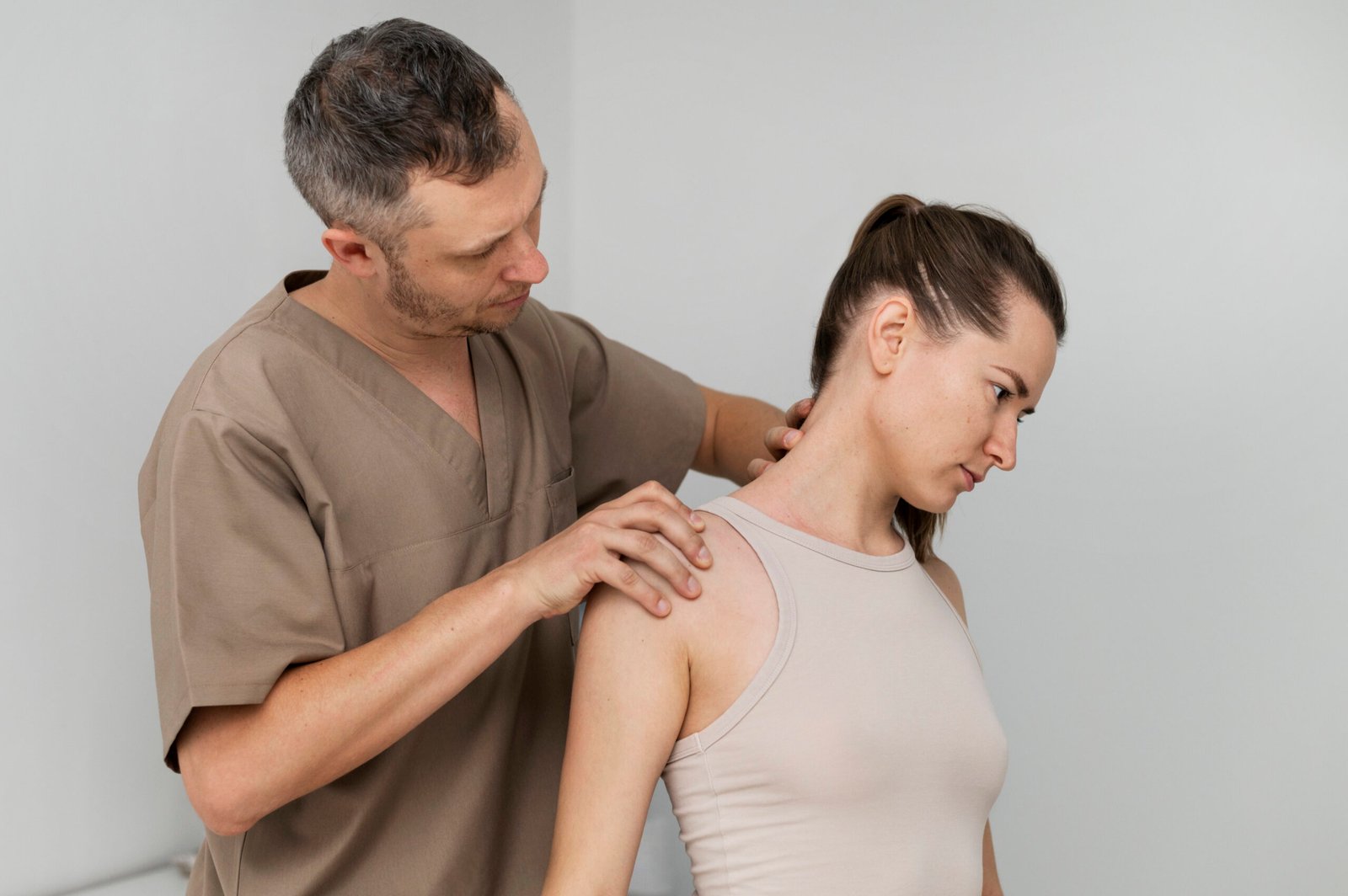
At the top of the shoulder muscle, approximately halfway between the back of the neck and Shoulder front of the shoulder outside. It is a really strong argument for relieving stress in the neck, upper back, and shoulder areas most affected by stress-related pain. With persistent, downward pressure, it will alleviate stiffness, headaches with a neck origin, and overall shoulder discomfort. Particularly during pregnancy, when it has to be avoided and only applied with extremely little pressure to prevent bruising, this point needs to be treated gently.
Conclusion
An easy, empowering, and drug-free treatment for the difficult problem of chronic pain is gentle point therapy. Using the neurophysiological reactions of the body, such as shutting the pain gate, releasing endorphins, and relieving muscular tension, it soothes both Mental as well as physical aspects of suffering. Though self-administered acupressure can be quite effective, the direction of a trained therapist guarantees safe application of methods to best meet specific demands. When done regularly, this non-invasive method can reduce pain scores tremendously, reduce medication use, and restore a sense of control and well-being, so it is a key component of an interdisciplinary pain management regimen.
Also Read This: The Expert Magazine