
Introduction
When you search for “lon: bt.a”, you’re looking at the stock ticker for BT Group plc — a historic and powerful telecom giant listed on the London Stock Exchange. As one of the oldest and most established communication companies in the world, BT has played a central role in connecting homes and businesses for nearly two centuries. Its services include broadband, mobile, landline, TV, cybersecurity, and cloud solutions — making it a multifaceted player in today’s digital economy.
Investors, analysts, and everyday people interested in finance track “lon: bt.a” to understand how BT’s shares perform and what drives its value in the markets. In this article, we’ll break down precisely what BT Group is, why its stock matters, real examples of its performance, and what issues shape its future. Whether you’re a beginner investor or simply curious about this ticker symbol, this deep dive will make the complex world of BT simple and engaging.
Table of Contents
What Is “lon: bt.a”?
Understanding the Ticker
The label “LON: BT.A” refers to the stock ticker used on the London Stock Exchange (LON) to represent BT Group plc’s ordinary shares.
- LON — symbol for London Stock Exchange
- BT.A — specific ticker for BT Group’s primary equity class
This is how traders, investors, and financial news services reference the company’s shares in portfolios, charts, and reports.
Who Is BT Group plc?
BT Group is one of the UK’s most iconic telecom firms, offering:
- Broadband and fixed-line services
- Mobile and TV packages
- Cloud computing, cybersecurity, and business communications
- Global network infrastructure solutions
It operates under well-known brands like BT, EE, Plusnet, and Openreach. Founded in 1846, the company has continually evolved with digital technology.
Why Investors Care About “LON: BT.A”
BT’s Market Position & Size
BT Group is not only a household name in the UK but a significant global telecom presence:
- Market Cap: ~£17–22 billion (varies over time)
- Employees: ~85,300 worldwide
- Presence: UK, Europe, Middle East, Africa, Asia-Pacific, and the Americas
Investors study BT’s stock for dividend income, exposure to telecom infrastructure, and long-term growth potential.
Dividend and Shareholder Appeal
A major attraction for income-focused investors is BT’s dividend yield:
- Annual dividend yield around 4.56%
- Semi‑annual payouts with a long history of incremental increases
This kind of income-generating profile is why some long-term investors favor BT even when its stock price fluctuates.
Real Performance Examples

Stock Price Changes
BT’s share price has shown real movement over time:
- It has traded between a 52‑week low of ~137 pence and a high of ~223 pence.
- Price movements reflect market sentiment, profitability trends, and strategic decisions.
Insider Activity Example
Real investors inside the company sometimes buy shares — a sign of confidence:
- In recent months, insiders bought shares worth over £5 million in BT, which some investors interpret as a bullish signal.
Company Fundamentals
Financials such as revenue, earnings, debt, and profit margins all matter. For instance:
- BT reported revenue of over £20 billion recently.
- Profitability and capital investment decisions impact long‑term valuation.
Headlines and Strategic Moves
Recent Strategic News
BT isn’t static — its strategy affects how investors view LON: BT.A:
- The company has been lifting its fibre broadband rollout across the UK.
- Major partnerships and technology ventures influence growth opportunities.
- The regulatory environment and customer service outages have made headlines, showing both challenges and areas for improvement.
Industry Comparisons
BT’s financial efficiency (like Return on Capital Employed) sometimes trails peers in telecom, indicating strategic areas for improvement if it wants to compete at the highest investment levels.
What Challenges Does BT Face?
Operational and Competitive Pressures
Like many legacy telecoms, BT must balance:
- Massive infrastructure investment
- Competitive pricing pressure from peers
- Regulatory scrutiny from telecom authorities
These dynamics can affect both profit margins and share price volatility.
Technical Market Signals
Some technical indicators suggest mixed signals for the stock — making BT a nuanced choice for traders. These can include price momentum patterns and trend strength measures, which investors watch closely in active trading strategies.
Key Takeaways on “lon: bt.a”

Here’s a quick snapshot of what matters most:
- BT is a historic telecom titan with deep roots and broad operations.
- “LON: BT.A” is its stock ticker on the London Stock Exchange.
- It pays dividends and attracts both value and income investors.
- Its price performance reflects market sentiment, strategy, and financial health.
- Investors should watch both fundamental and industry trends when evaluating it.
Global Impact of BT Group
BT’s Role Beyond the UK
While most , most people know BT as the UK telecoms provider it has a large global footprint. You know what? The company provides network and IT services to multinational corporations government agencies and media companies around the world. For example:
BT Global Services manages cloud solutions for Fortune , Fortune 500 companies.
Seriously The company maintains undersea communication cables providing Internet connectivity across continents.
BT’s cyber security division helps protect public and private sector customers against evolving threats.
This international scale not only diversifies revenues but also exposes BT to geopolitical risks exchange rate fluctuations and different regulatory frameworks.
Examples of how BT works
To understand the importance of BT let’s look at some real examples:
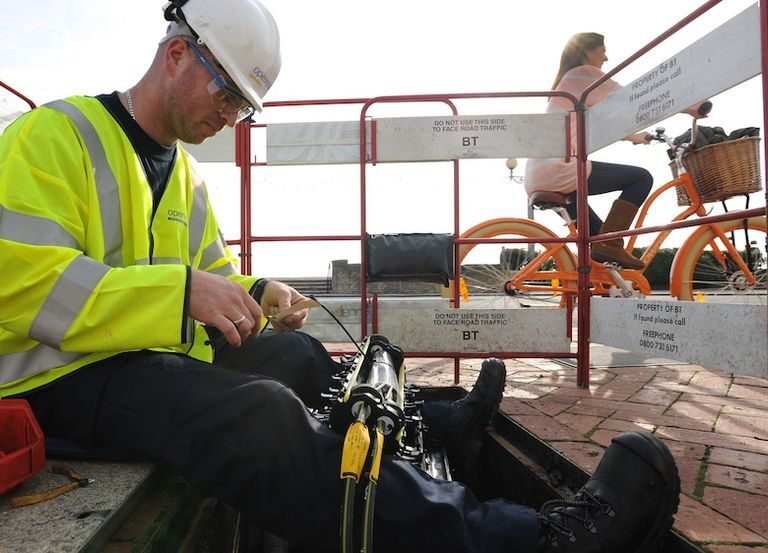
Bringing fiber to rural areas: BT’s Openreach division is working to connect the most remote areas , areas of the UK to a fiber broadband network. In 2025 it announced that more than , than one million homes will have access to high-speed internet reducing the digital divide.
Like Expanding EE’s mobile network: BT-owned EE recently extended 5G coverage to more than 60% of the UK population supporting businesses and consumers with faster more reliable mobile data connections.
Disaster recovery services: In 2024 , 2024 BT helped maintain communications networks during floods in the north of England demonstrating its role in national infrastructure resilience.
These examples show that BT is not just a stock , stock exchange but a company that touches everyday life and national infrastructure.
BT’s Strategic Challenges and Opportunities
Challenges
BT faces a complex mix of operational and financial challenges:
High capital expenditure: The construction of fiber optic networks and the modernization of the infrastructure require billions of investments.
Competitive pressure: Rival telcos such as Virgin Media and Vodafone is pushing the boundaries of pricing and innovation.
Guess what? Regulatory oversight: Ofcom the UK’s telecoms regulator closely monitors prices quality of service and competition practices.
Seriously These factors can affect , affect investor confidence and share price stability.
Possibilities
Despite the challenges BT has ways , ways to grow:
Digital transformation: Increased adoption of cloud computing IoT and cyber security services can increase revenues.
Like 5G network expansion: BT’s investments in mobile networks particularly 5G will allow it to attract higher value enterprise customers.
Strategic Partnerships: Working WITH technology companies can accelerate innovation and create , create new revenue streams.
Financial Health and Investment Metrics
Investors often consider the most important financial indicators to evaluate BT:
Revenue , Revenue growth: Steady but modest growth (recently around 2-4% per year)…
You know what? Debt levels: BT has significant debts due to infrastructure investments. Guess what? Managing this is key.
Seriously, Profit Margin: Net margin ranges from , from 8 to 10%, reflecting telecom industry standards.
Example: Dividend call
BT’s semi-annual dividend is very popular with income investors. Even when share prices fluctuate, the stability of earnings provides an attractive source of income.
2025 earnings: ~8.2 pence per share
, share
Yield: ~4.5%, higher than a bunch of UK large-cap stocks
These figures show that BT is financially disciplined while making significant investments in technology and infrastructure.
You know what? How market trends affect BT
BT shares are influenced by broader market and technology trends:
Business Digitization: As businesses move online, the cloud and network services provided by BT are becoming increasingly valuable.
Telecom competition: New entrants or revolutionary technologies can affect BT’s market share.
Economic factors: Inflation, interest rates and consumer spending affect , affect the income of retail and institutional customers.
You know what? An example of market reaction
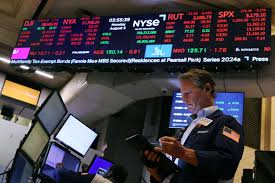
In mid-2025, BT announced a significant expansion of its fiber optic network. You know what? The stock reacted positively, rising more than 5% in a week, showing that strategic advertising can yield short-term gains.
Insider insights and analyst opinions
Analysts’ opinion
Financial analysts often give price targets and ratings:
BT is considered a “buy” by some because of its dividend income and continued growth.
You know what? Others warn that debt levels and competitive pressures justify a “suspension”.
Insider behavior
When company executives buy their own stock, it can signal confidence in future , future performance. Recent internal activity shows a modest build-up, suggesting optimism about BT’s strategy.
Conclusion
Understanding LON:BT.A is more than memorizing a tape , tape – its about understanding how a global communications leader navigates the financial markets and uses technology every day. BT Group’s long history and continuous transformation give it unique , unique strengths, while competitive and operational challenges shape , shape its investment history.
Whether , Whether you value BT from a dividend or as part of a diversified portfolio, knowing the company’s executives is an advantage in interpreting market signals and making informed decisions. At its core, LON:BT.A reflects the heritage and future of global communications – a story that continues to evolve with technology, strategy and investor sentiment.
Frequently Asked Questions (FAQs)
1. Guess what? What , What does “LON: BT.A” mean?
This is the ticker symbol for BT Group plc shares traded on the London Stock Exchange.
You know what? 2. You know what? Does , Does BT pay dividends?
Seriously Yes – BT offers a regular , regular dividend that is often attractive to income-oriented investors.
3. Is BT a good long-term investment?
Investors have different opinions. Seriously BT has stable cash flow , flow and profits but faces , faces competitive pressure. Due diligence is key.
Seriously 4. You know what? What , What services does BT provide?
Communications services including broadband mobile landline cloud and business IT solutions.
5. How often does BT update its earnings?
Usually quarterly the next report is scheduled for the end of January 2026.
Also Read This: Best ionq share price Surge: Quantum Leap or Bubble?