
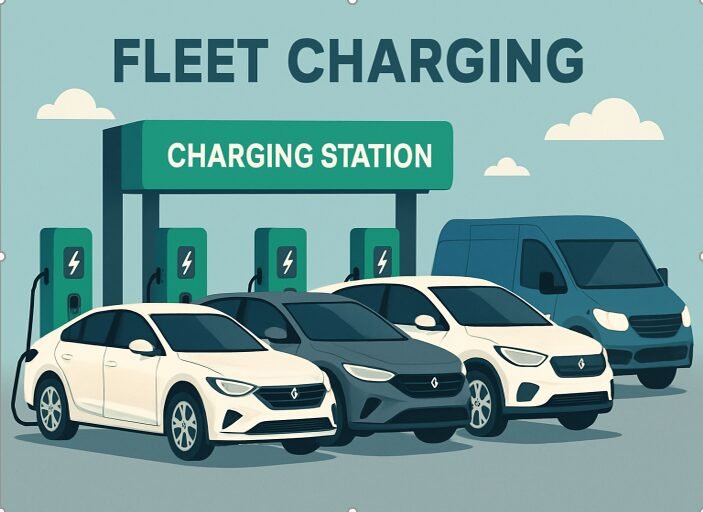
The shift toward electric vehicle (EV) fleets is transforming how modern organizations address sustainability, operational efficiency, and regulatory compliance. As the global focus intensifies on eco-friendly transportation, planning for EV fleet charging has become a key driver for both large and small businesses. This transition not only reduces a company’s carbon footprint but also builds resilience against rising fuel costs and future-proofs operations in an evolving regulatory environment.
Many organizations are beginning to see fleet electrification as a strategic investment rather than simply a compliance measure. Implementing a thoughtful fleet electrification plan enables companies to realize cost savings, improve public perception, and attain long-term sustainability targets. Setting clear objectives and investing in reliable charging infrastructure can ease the transition and position any organization for success in a rapidly developing market.
Table of Contents
Before embarking on fleet electrification, it is critical to understand the many factors and considerations involved. With the right approach, organizations can build a blueprint that maximizes operational effectiveness, supports driver needs, and integrates smoothly into existing operations. Proactively addressing challenges around data management, regulatory changes, and stakeholder buy-in will help pave the way for optimal fleet electrification outcomes.
Leadership teams are increasingly aware that electrifying their fleets requires a holistic strategy, spanning readiness assessments, infrastructure investments, and the use of data analytics and artificial intelligence for ongoing optimization. With clear communication and ongoing training, employees and stakeholders are more likely to support and sustain the changes.
Understanding the Benefits of Fleet Electrification
Adopting electric vehicles for organizational fleets delivers strong financial, environmental, and reputational benefits. Companies can substantially cut greenhouse gas emissions and lower the total cost of ownership, as EVs commonly cost less to maintain due to fewer moving parts and decreased reliance on fossil fuels. Enhanced public image and compliance with industry regulations further incentivize organizations. Reports, such as those from McKinsey & Company, have underscored the role of fleet electrification in lowering overall transportation emissions and achieving corporate climate targets.
Moreover, fleet electrification contributes to improved driver satisfaction because EVs offer quieter, smoother rides and eliminate the need for frequent refueling. As more customers and investors expect robust sustainability practices, organizations embracing electric fleets are likely to enjoy a competitive edge in the market.
Assessing Fleet Readiness
Every successful electrification initiative begins with a readiness assessment. This means evaluating the existing fleet by considering vehicle age and usage, typical daily routes, and operational patterns. Some vehicles or routes may not yet be suitable for electrification, such as routes that involve long distances in areas with sparse charging infrastructure.
Organizations should also complete a detailed cost-benefit analysis, comparing the total cost of ownership for EVs against traditional vehicles, factoring in government incentives, maintenance, energy costs, vehicle lifetime, and potential resale value. Scoping these variables upfront helps define which vehicles and routes to electrify first and informs budgeting and timeline decisions.
Developing a Comprehensive Electrification Plan
A comprehensive electrification plan connects vision with execution. This plan should clearly define electrification goals, identify performance metrics, and include timelines for vehicle procurement, infrastructure upgrades, and driver training. The plan should detail how new electric vehicles will be introduced into daily operations and outline any adjustments necessary for logistics or scheduling.
It is also vital to involve all relevant departments, from finance and facilities to human resources and operations, in building the plan. By fostering cross-functional collaboration, organizations can eliminate silos, anticipate challenges, and ensure everyone moves toward a shared vision. As highlighted by the International Energy Agency, stakeholder alignment is key to smooth transitions in transport decarbonization.
Investing in Charging Infrastructure
Building reliable charging infrastructure is foundational for any electrified fleet. Charging stations should be installed at fleet depots, company locations, and, where appropriate, at employees’ homes for take-home vehicles. It is important to select the right mix of charger types: Level 2 for overnight depot charging and fast chargers for high-utilization vehicles.
Research from the U.S. Department of Energy signals that companies should account for grid capacity, charger compatibility, and future scalability in their infrastructure planning. Developing clear policies to support at-home charging is especially important as more fleets adopt hybrid workplace models or decentralized vehicle deployments.
Leveraging Data Analytics and AI
Advanced data analytics and artificial intelligence tools empower organizations to boost fleet efficiency and reliability. By monitoring routes, predicting maintenance needs, and analyzing charging patterns, AI-driven platforms can optimize vehicle deployment, reduce battery degradation, and lower operational costs. Proactive insights allow for dynamic scheduling and real-time adjustments that minimize downtime and energy waste.
Automation of fleet data collection helps facilities managers make better decisions while enhancing transparency across operations. For those adopting large-scale electrification, integrating these technologies is instrumental in achieving and sustaining performance improvements.
Navigating Policy and Regulatory Challenges
Staying ahead of regulatory developments is crucial, particularly as governments continue to introduce aggressive targets and mandates for zero-emission vehicles. California’s Innovative Clean Transit rule and Canada’s accelerated emissions standards for commercial vehicles are examples of evolving frameworks affecting fleets. Proactive engagement with regulatory bodies, industry groups, and professional organizations helps companies avoid compliance pitfalls and tap into available grants or incentive programs.
Training and Engaging Stakeholders
The transition to an electric fleet is more effective when every stakeholder is well-informed and engaged. Comprehensive training programs should target drivers, mechanics, administrative staff, and management, ensuring they understand new operating procedures, safety protocols, and charging logistics. Supportive communication and ongoing professional development reduce resistance to change and reinforce the organization’s commitment to sustainability.
Ongoing stakeholder engagement, such as feedback sessions and performance reviews, keeps the workforce invested. Sharing success stories and lessons learned helps nurture a culture of continuous improvement across the organization.
Monitoring and Optimizing Fleet Performance
Continuous monitoring is essential for maximizing the value of an electrified fleet. Telematics platforms and fleet management software provide real-time data on charging patterns, vehicle usage, efficiency, and maintenance needs. This data-driven approach uncovers inefficiencies and allows organizations to refine operations, leading to further cost savings and improved vehicle uptime.
Periodic reviews and reporting cycles ensure that electrification goals remain aligned with broader business objectives. As new technologies and best practices emerge, regular assessments allow leaders to adapt their strategies to stay at the forefront of industry innovation.
Embracing fleet electrification is a future-ready strategy for organizations striving to improve sustainability, reduce costs, and comply with evolving regulations. The most successful transitions are built on careful readiness assessments, comprehensive planning, robust infrastructure, data-driven optimization, regulatory insight, and deep stakeholder engagement.
 Smith
Smith