
Key Takeaways
- Pedestrian fatalities have increased by more than 80% over the past 15 years, especially on urban roads at night.
- Always use crosswalks and obey traffic signals to reduce your risk of an accident.
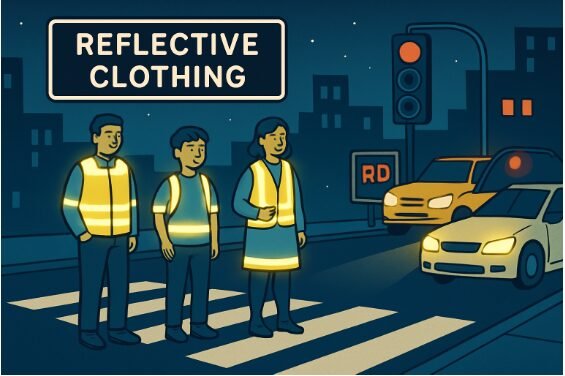
- Wearing reflective clothing increases your visibility to drivers.
- Paying attention and avoiding distractions such as smartphones or headphones is essential for staying safe.
- Advocating for better infrastructure and lighting can help make cities safer for everyone.
Walking through busy city streets is a daily routine for millions, offering both excitement and convenience. However, city walking is not without its hazards, with pedestrian accidents and injuries on the rise across the United States. It is essential to prioritize your safety and develop habits that minimize risk. If you or someone you know has been affected by a pedestrian accident, the Ward Law pedestrian accident lawyers can provide guidance and support during recovery.
Table of Contents
Protecting yourself as a city pedestrian does not require drastic measures, but it does demand awareness and consistency. This guide explores actionable steps you can take to help you stay protected as you traverse busy urban landscapes. Understanding the core risks, the best safety practices, and the important role of community advocacy will empower you to walk with more confidence and security.
Recent reports highlight a worrying surge in pedestrian fatalities, particularly in metropolitan areas after sunset. As fast-paced developments and increased traffic converge, it is more important than ever to know how to safeguard yourself when navigating city sidewalks and intersections. Adopting these proactive measures can make all the difference between a safe journey and a potential accident.
Statistics show that risks increase dramatically at night and on arterial roads due to insufficient lighting and infrastructure. Learning to spot these threats and knowing what to do next can save lives.
Understanding the Risks
The increase in pedestrian accidents is due to several converging factors. Urban arterial roads often lack sufficient lighting and safe crossing points, making them particularly dangerous after dark. More people are walking for exercise or commuting, raising the number of potential incidents. The rise in distracted driving and walking has also contributed to the escalation in accidents.
Use Designated Crosswalks
Designated crosswalks are not just suggestions; they are engineered to provide the safest points for pedestrians to cross busy streets. These locations are often supported by traffic signals and better sightlines, helping to ensure that both drivers and pedestrians can see each other in time to prevent collisions. Avoiding impulsive actions like jaywalking is essential, as crossing mid-block or outside marked areas can catch approaching drivers by surprise.
Obey Traffic Signals
Traffic signals play a significant role in organizing foot and vehicle movement in dense city centers. Always cross when the pedestrian signal permits, even if the street looks empty, since unexpected vehicles can approach rapidly. Defensive walking means assuming that not all drivers or cyclists will notice you, especially in congested or distracted driving environments.
Enhance Your Visibility
Making yourself more visible is one of the most straightforward ways to prevent pedestrian accidents. Bright and reflective clothing, as well as accessories like reflective armbands or backpacks, help drivers spot you, particularly at night or in poor weather. Carrying a flashlight or using your mobile device’s light not only helps you see your path but also signals your presence to oncoming traffic.
Stay Alert and Avoid Distractions
Urban pedestrian safety demands focus. Headphones, texting, or checking navigation on your phone can distract you at critical moments. Keep your head up and your attention tuned to traffic signals, vehicle movement, and other pedestrians. If you need to use your phone, stop in a safe area until you can give the street your full attention.
Advocate for Safer Infrastructure
Individual action is important, but real change often comes through collective effort. By participating in community groups or liaising with local government, you can campaign for improved city infrastructure. Features such as pedestrian islands, dedicated walkways, and enhanced lighting at crossing points significantly reduce pedestrian accidents. Supporting initiatives that call for traffic-calming measures, such as lower speed limits or raised crosswalks, can have long-lasting benefits for city dwellers.
Be Cautious at Night
Traveling after dark substantially increases the risk of pedestrian accidents. To mitigate these risks, always take routes with adequate lighting and avoid wearing colors that blend in with the night, like black or navy blue. Walk with a friend or group whenever possible, as safety in numbers is important. If you find yourself alone, stay alert and stick to paths that have the most foot traffic and the best visibility.
Taking additional precautions is always beneficial, especially in neighborhoods with higher pedestrian incident rates. Consider planning your walking route in advance to avoid particularly hazardous intersections or poorly lit stretches. Utilize city or community apps that provide updates about local construction, street closures, or unusually high traffic, as these issues can create unpredictable conditions. When walking with children or elderly family members, take extra care at crossings and set a good example by practicing safe pedestrian habits.
If possible, make eye contact with approaching drivers before stepping off the curb to ensure they see you. In situations where weather conditions worsen visibility, such as rain, fog, or snow, your risk may increase, so adjust your pace and stay more alert. Safe walking is not only about protecting yourself but also about looking out for others in your community.
Conclusion
City walking can be one of the most enjoyable and healthy ways to get around, but it requires paying attention to both your own habits and your surroundings. From simple steps like using crosswalks and reflective gear to broader efforts advocating for better infrastructure, pedestrian safety begins with you. Stay alert, be visible, and always follow traffic rules to ensure your time in the city is both enjoyable and secure.
 Smith
Smith