
Key Takeaways
- Clinical trials are essential for developing new medical treatments and ensuring their safety and efficacy.
- Innovations like decentralized trials and AI integration are transforming the clinical trial landscape.
- Recent policy changes aim to expedite drug approval processes without compromising safety.
The Role of Clinical Trials in Medical Advancements
Clinical trials have long been the bedrock of breakthroughs in medicine, charting the path from early-stage discoveries to the therapies that benefit patients worldwide. They meticulously test potential new medications, devices, and procedures through several controlled phases, collecting robust evidence on safety and effectiveness.
Whether it’s a new diabetes drug or better surgical techniques, clinical research ensures that innovation translates safely and reliably into real-world care. For example, clinical trials for breast cancer play a pivotal role in advancing treatment options, exploring not only drugs but also combinations and sequencing of therapies tailored to an individual’s needs.
Table of Contents
Each phase of a clinical trial is designed to answer distinct questions. Early phases focus on safety, determining dosage, and monitoring for side effects. Subsequent stages concentrate on efficacy, often comparing the new approach to a standard treatment to verify improvement or additional benefits. By systematically addressing these concerns, trials protect patients today while paving the way for more effective care tomorrow.
One often-overlooked outcome of clinical trials is the wealth of insights gained into disease mechanisms and patient subgroups. This knowledge helps inform future strategies, making clinical research a dynamic driver of both present and future health care innovation. Initiatives that educate and engage the public about the importance of trial participation, especially in underserved populations, are critical for producing data that reflect real-world diversity.
For patients facing difficult diagnoses, participation in a clinical trial might also provide access to promising new treatments that are otherwise unavailable outside the study setting. These opportunities, along with rigorous oversight from regulatory and ethical bodies, have transformed clinical trials into a trusted gateway for cutting-edge care. For more on the importance of a wide participant base, see recent coverage by The New York Times regarding the need for diversity in clinical research.
Innovations Transforming Clinical Trials
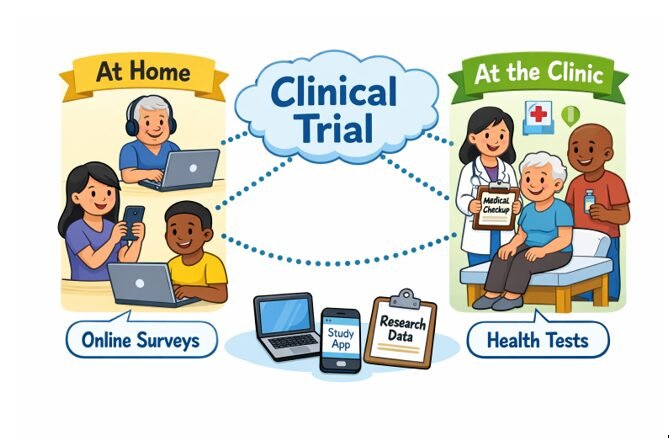
The clinical trial process itself is rapidly evolving to meet the needs of a changing world. Technology, in particular, is reshaping each stage, making studies more accessible and efficient. Decentralized trials, for example, increasingly allow participants to join from home, reducing the burden of frequent hospital visits and opening the door to those living far from major medical centers or facing challenges such as limited mobility. This flexibility improves enrollment and compliance, ultimately leading to richer, more generalizable results.
Artificial Intelligence (AI) is another force revolutionizing clinical research. By sifting through massive amounts of medical data, AI tools can identify ideal study candidates faster than traditional methods. These algorithms not only speed recruitment but also catch patterns and safety signals early, supporting more rapid and precise decision-making throughout a study’s duration.
The integration of AI improves data quality and has the potential to decrease the overall time frame for evaluating new interventions, which can be crucial in the context of urgent health crises.
Examples of AI and Digital Advancements
Healthcare organizations and research centers are leveraging wearable devices and mobile apps to collect real-time health information with minimal intrusion on daily life. These digital tools enable continuous monitoring of vital signs and treatment responses, minimizing errors and missing data. As detailed by Nature, AI is now being used to predict outcomes and guide the design of more adaptive and efficient trial protocols.
The combination of AI and decentralized approaches not only strengthens data integrity but also elevates patient engagement and satisfaction by tailoring experiences to individual needs and lifestyles. This growing reliance on technology makes addressing digital literacy and access even more necessary as clinical research moves forward.
Policy Changes Accelerating Drug Approvals
Recognizing both the advancements and complexities of modern trials, regulatory agencies are adapting their protocols to keep pace. In the United States, the Food and Drug Administration (FDA) has updated approval pathways, now sometimes allowing a single, well-conducted pivotal trial with supporting evidence to suffice for certain medications.
These changes aim to reduce time-to-market for new therapies, particularly those addressing urgent or unmet medical needs, while maintaining the high standards required for patient safety.
Other countries are following suit, examining ways to streamline their processes and harmonize international standards to encourage collaboration and data sharing. The European Medicines Agency (EMA) and other global regulatory bodies are working more closely with stakeholders to pilot real-time data monitoring and rolling reviews. Such approaches can fast-track treatments during public health emergencies, ensuring innovations reach patients without unnecessary delays.
Challenges and Ethical Considerations
While the future of clinical trials looks promising, significant challenges persist. Ensuring the privacy and protection of patient data becomes more complex as digital tools proliferate, and robust safeguards must be maintained. Data integrity is paramount, necessitating rigorous protocols for data collection, storage, and analysis, particularly when studies are decentralized or managed across multiple sites.
Ethical considerations remain central to any clinical research. Informed consent, transparency, fair participant selection, and careful monitoring for adverse effects are crucial to upholding patient trust. Additionally, as automation and AI increasingly determine who qualifies for trials, ongoing oversight is required to prevent bias and ensure equity.
Addressing disparities in access and representation is another challenge. Studies have shown that a lack of diversity in clinical trials can affect the generalizability of results, potentially leaving certain patient populations with less effective or safe treatments. Concerted efforts to improve enrollment from varied demographics are ongoing and vital for comprehensive, equitable outcomes.
Conclusion
Clinical trials remain the cornerstone of medical advancement, methodically verifying new treatments before they become widespread. Modern innovations such as decentralized trial designs and AI-powered processes are making these studies more accessible, diverse, and efficient. Meanwhile, adaptive regulatory policies are streamlining the journey from discovery to approved therapy. Navigating these changes responsibly means balancing speed and innovation with safety, ethical rigor, and a commitment to diversity, ensuring that clinical trials continue to lead the way in transforming health care for everyone.
 Smith
Smith